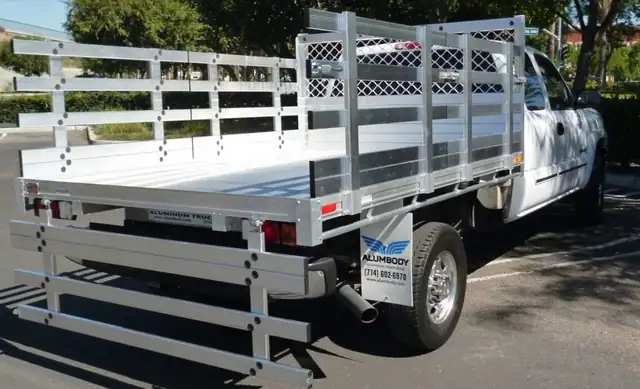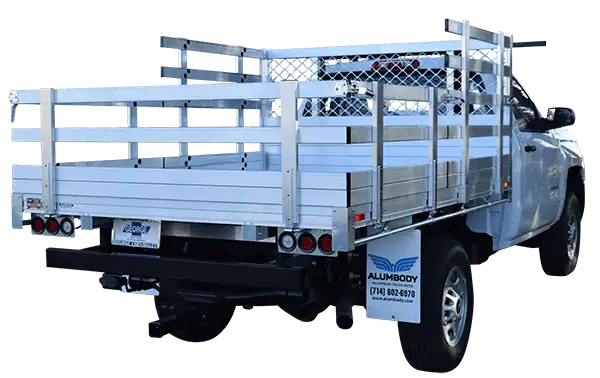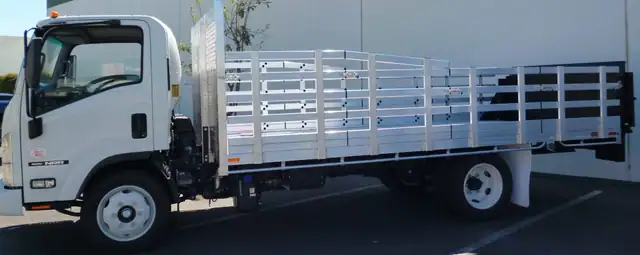
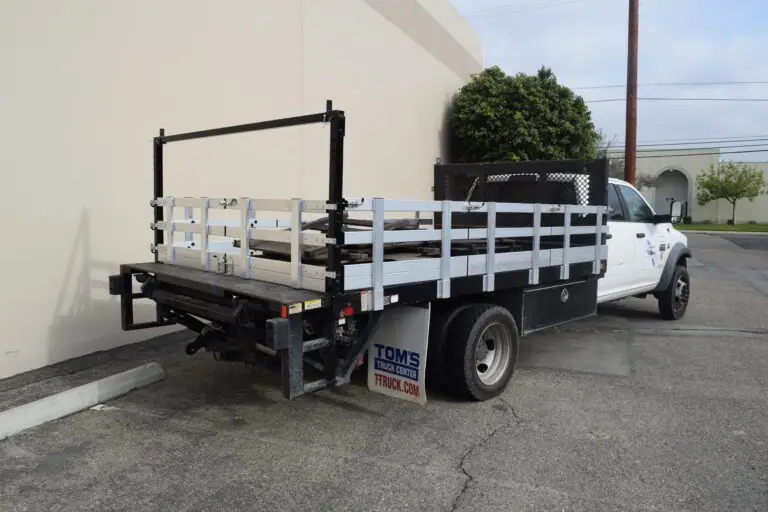
We've built tool box configurations for almost every trade that puts a hammer, a wrench, or a meter in a truck. The same lesson keeps repeating itself: the box that works perfectly for a plumber is wrong for an electrician, the box that works for an electrician is wrong for an HVAC tech, and the box that works for an HVAC tech will drive a landscape contractor up a wall. There is no universal answer. There is only the right answer for what you actually do all day.
The four box types, and what each is actually for
Topsider boxes
Mounted on top of the bed rails, accessed from the side. Best for high-frequency hand tools and small parts you grab thirty times a day. Ideal for trades that work standing up at the truck — electricians, HVAC techs, mobile mechanics.
Underbody boxes
Mounted between the frame and the bed floor, accessed from outside the bed. They disappear visually, free up the bed for materials, and lock up safely. Best for trades that haul cargo in the bed itself — landscapers, general contractors, plumbers hauling pipe.
Crossbed boxes
Run across the front of the bed, behind the cab. Heavy-duty storage for the gear you don't grab every five minutes but absolutely need on every job. Common on welders, mobile mechanics, and any rig with a generator or compressor.
Built-in (welded) compartments
Integrated into the bed structure itself — not bolted on after the fact. The strongest, longest-lasting, and best-looking option, and the only one that holds its value at trade-in. Everything we build at Alumbody starts as built-in unless the customer has a specific reason to do something else.
Configurations by trade
General contractor
Two top-side cabinets for hand tools and small fasteners, a full-length underbody for power tools and the cordless charger station, open bed for sheet goods and materials. Optional crossbed if you carry an air compressor or a small generator.
Plumber
Deep side compartments organized and labeled by fitting size, a pipe rack on top long enough for full sticks of PEX and copper, full underbody for the heavy stuff. PEX and copper need different storage — keep them physically separated so a tech grabbing fast doesn't grab wrong.
Electrician
Shallower side compartments tuned for wire spool widths and conduit lengths. A locked panel compartment for meters, megger, and high-value test gear. Pull-out drawers for screw bins, connectors, and the hundred small parts that disappear into the bottom of a regular box.
HVAC
Split-level side compartments — small parts and gauges on top, full-size recovery tanks below. A dedicated refrigerant compartment with proper through-venting because the EPA cares about that and so should you.
Mobile mechanic
Crossbed for the air compressor and air storage tank, topsiders for hand tools and impact sockets, deep underbody for jack stands and the floor jack. Add a welded steel workbench surface on the tailgate if you do enough field repair to need it.
The one rule that doesn't change
Whatever configuration you land on for your trade, build it once and build it welded in. Bolted-on add-ons rattle loose, leak water at the gasket, and start rust streaks down the side of your bed inside three years. Welded compartments are stronger structurally, dry inside through any weather, and worth real money to the next owner when you sell. It's the same lesson we've been giving customers for three decades and it has never changed.